The 8 Deadly Wastes Quietly Draining Your Business
Practical tips and insights to help small business owners boost efficiency, innovate, and grow successfully!
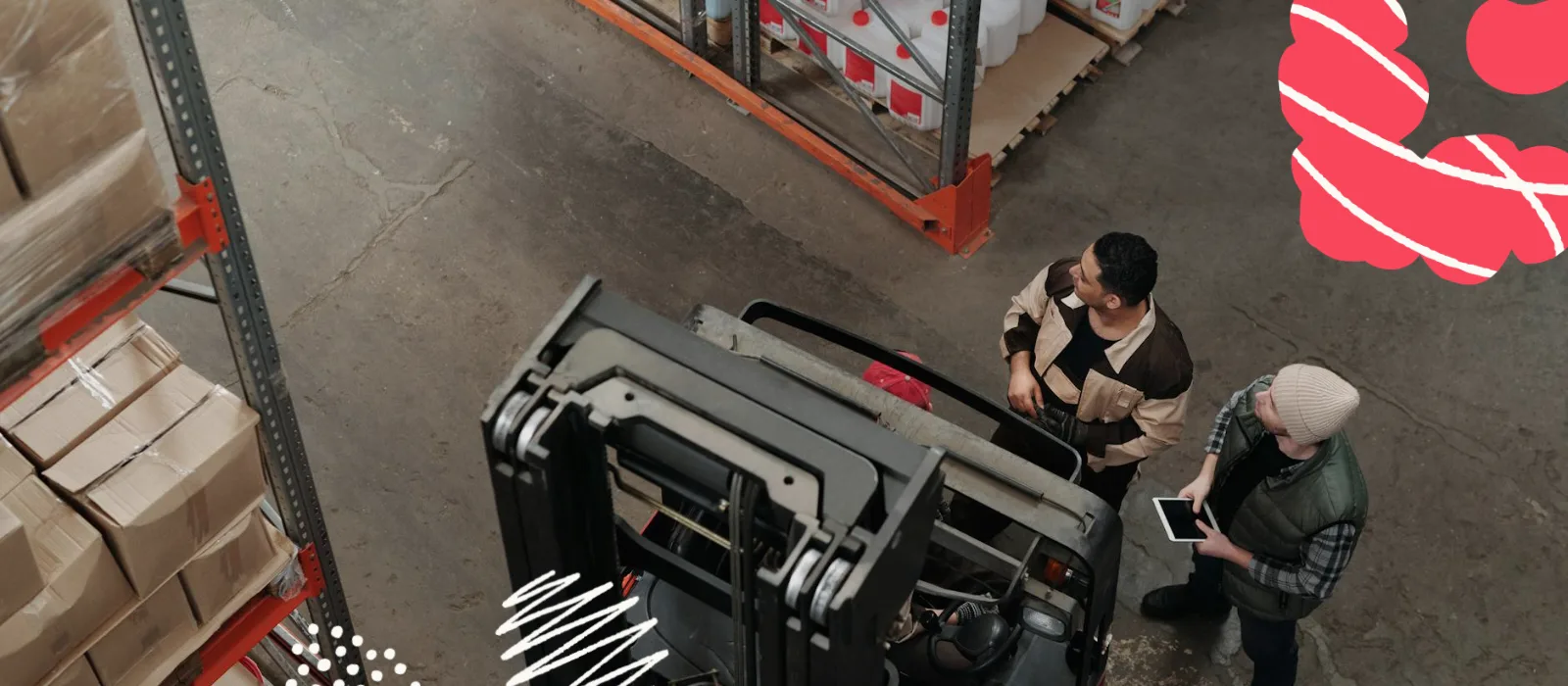
As small business owners, you operate with limited resources, tight budgets, lean teams, and precious time. Every minute wasted is a minute you could have spent serving customers, developing products, or growing revenue. The challenge is that waste rarely announces itself. It hides inside routines that feel productive, in steps everyone assumes are necessary, and in habits that made sense years ago but no longer do.
Lean manufacturing gave us a useful framework for spotting that hidden drag. It identifies eight categories of waste, sometimes called the eight deadly wastes, that quietly drain time, money, and energy out of any operation. The concepts came from the factory floor, but they translate cleanly to a bookkeeping practice, a coffee shop, a dental office, or a marketing agency. Once you learn to name these wastes, you start seeing them everywhere, and that is the first step toward removing them.
What the eight wastes are
The eight categories are often remembered with the acronym DOWNTIME: defects, overproduction, waiting, non-utilized talent, transportation, inventory, motion, and excess processing. Let's walk through each one with examples that look like your business, not a Toyota plant.
1. Defects
A defect is any work that has to be corrected, redone, or thrown away because it was not right the first time. For a service business that means an invoice with the wrong amount, a payroll run that misses an employee, a website form that does not submit, or a report a client sends back covered in edits. Defects cost you twice: once to do the work and again to fix it, plus the trust you spend smoothing things over.
The fix usually is not working harder. It is building checks into the process: a second set of eyes on outgoing invoices, a simple checklist before a project ships, and a quick root-cause conversation when the same mistake shows up twice.
2. Overproduction
Overproduction means making more than the customer needs, or making it before it is needed. A bakery that produces three times the pastries it can sell. A consultant who builds a fifty-slide deck when the client wanted a one-page summary. A team that prints marketing materials in bulk for an event that has not been confirmed. The work feels productive, but it ties up cash and labor in something nobody asked for yet.
Ask a blunt question before starting any batch of work: who is waiting for this, and how much do they actually need right now?
3. Waiting
Waiting is idle time, and in a small business it adds up fast. A team member who cannot move forward because they are waiting on an approval. A customer sitting on hold. A project stalled because one document has not been signed. Equipment or software loading slowly while someone watches the screen. Every gap where work could be happening but is not is a quiet form of waste.
Look for the chronic bottlenecks. Often a single approval step, a slow handoff between two people, or a tool that everyone tolerates is responsible for hours of waiting each week.
4. Non-utilized talent
This is the waste that hurts the most, and it is the easiest to overlook. It happens when you fail to use the skills, ideas, and experience of the people you already employ. A bookkeeper who spots a way to save the company money but is never asked. A front-desk employee who hears the same customer complaint daily and has a fix in mind. When smart people are stuck doing rote tasks below their ability, or when their suggestions go nowhere, you are paying for talent and throwing most of it away.
Create real channels for ideas, delegate work that does not require your judgment, and let people grow into the strengths you hired them for.
5. Transportation
In the original model, transportation is the unnecessary movement of materials. In a modern small business, it often shows up as the unnecessary movement of information: a file emailed back and forth between four people, data that gets manually copied from one system into another, a document that travels through three inboxes before reaching the one person who needed it. Each handoff adds time and a chance for something to get lost or garbled.
Shorten the path. Shared systems, clear ownership, and integrations that let your tools talk to each other directly cut down on the shuffling.
6. Inventory
Inventory waste is anything sitting around waiting to be used. For a retailer or restaurant that is literal stock on the shelf, tying up cash and risking spoilage or obsolescence. For a service business it can be a backlog of unstarted projects, a queue of unanswered support tickets, or a pile of leads nobody has followed up on. Excess inventory hides problems and ages badly.
Track what is actually moving, order and commit closer to real demand, and clear backlogs before they grow stale.
7. Motion
Where transportation is about moving things, motion is about the unnecessary movement of people. The employee who walks across the office a dozen times a day for supplies that should be within reach. The clicking through five screens to complete a routine task. The hunting through folders for a file that has no consistent home. None of it is dramatic on its own, but motion waste is death by a thousand small steps.
Watch how a routine task actually gets done, then reduce the steps. Organize the physical and digital workspace so the things people reach for most are closest at hand.
8. Excess processing
Excess processing, sometimes called overprocessing, is doing more work than the customer values. Three approval signatures where one would do. A report formatted to perfection that nobody reads past the summary. Asking a customer for the same information twice. Gold-plating a deliverable beyond what was requested. The effort is real, but it adds no value the customer would pay for.
For each step in a process, ask whether the customer would care if it disappeared. If the honest answer is no, that step is a candidate for the cut.
How to start finding the waste in your business
You do not need a lean consultant or a wall of sticky notes to begin. Start by picking one process that frustrates you or your customers, then walk through it step by step exactly as it happens, not as you imagine it. At each step, ask which of the eight wastes might be present. You will usually find more than one, because they tend to travel together: waiting causes inventory to pile up, transportation creates defects, and excess processing eats the talent you should be using elsewhere.
A few practical habits make this stick:
- Map one process at a time rather than trying to fix everything at once.
- Ask the people who do the work daily where the friction is. They already know.
- Measure something simple before and after a change, even if it is just minutes saved or errors avoided.
- Treat waste removal as ongoing, not a one-time cleanup. Processes drift back toward waste if nobody watches.
The goal is not a perfect, waste-free operation, which does not exist. The goal is to free up the time and cash that waste is quietly consuming so you can put it toward the work that actually grows your business.
Where Launch Industries fits in
A lot of the waste small business owners carry lives in the back office: duplicate data entry between systems, manual payroll that invites errors, bookkeeping that arrives too late to inform decisions, and processes that grew by accident rather than design. Helping Seattle-area businesses tighten those operations is a large part of what we do at Launch Industries, across bookkeeping, payroll, HR, marketing, and technology. If you want a second set of eyes on where your time and money are leaking, we are glad to help you map it out and clean it up.